The Minimum Temperature Guide for Bringing Your Plants Indoors This Fall
Some of the links in this post may be affiliate links.
If you spent the summer letting your houseplants soak up real sunlight on a porch, patio, or balcony, you're about to face the annual reckoning: figuring out exactly when "it's getting a little cool at night" turns into "my plant is now suffering permanent damage." The frustrating truth is that there's no single magic number. A pothos and a jade plant do not share a cold tolerance, and treating them as if they do is how people end up with mushy leaves in October.
Every year I move many houseplants outside during warm weather and it does wonders for them. This guide breaks down the general rules for bringing plants inside, then gets specific, plant by plant, so you know exactly which ones need to come in first and which ones can ride out a few more chilly nights.
Table of Contents
Why "Wait for Frost" Is the Wrong Strategy
Most people's mental model is: watch the forecast for a frost warning, then scramble. That model works fine for outdoor garden beds. It fails your houseplants, because the vast majority of them are native to tropical or subtropical regions and start sustaining damage well before the thermometer ever approaches 32°F.
There are two distinct types of cold injury worth understanding, because they explain why plants can look fine one evening and ruined a few days later.
Chill injury happens at temperatures above freezing, often in the 35°F to 50°F range depending on the species. It's a physiological stress response, not literal freezing. Cell membranes become less flexible, water and nutrient uptake slows or stalls, and the plant's internal processes essentially start shutting down. Symptoms, things like blackened leaf edges, translucent or water-soaked patches, sudden leaf drop, or wilting despite moist soil, often don't show up until several days after the cold exposure. That delay is exactly why so many people misdiagnose it as a watering or pest problem.
Freeze injury happens at or below 32°F, when the water inside plant cells actually freezes. Ice crystals expand and rupture the cell walls, and the tissue collapses into a mushy, blackened mess as soon as it thaws. There's generally no recovering from this in the affected tissue.
Because chill injury sets in well ahead of any frost, I'm recommending moving plants in long before the first frost date. As a general rule of thumb, once nighttime temperatures start dropping below 55°F, it's time to bring plants indoors. Many houseplants start showing damage once nights consistently dip into the mid-to-lower 40s, and that nearly all of them will die if exposed to a hard freeze.
A useful shorthand that's floated around gardening circles and been picked up by several university programs is the "50-50 rule": bring plants inside about 50 days before your area's average first frost date, or as soon as nighttime lows start consistently sitting around 50°F, whichever comes first. Your actual cutoff temperature depends entirely on what you're growing, which is the whole point of this guide.
A few things to keep in mind before you get to the plant-by-plant breakdown:
- Nighttime lows matter far more than daytime highs. A 75°F afternoon followed by a 48°F night is exactly the scenario that catches people off guard. Track the overnight forecast, not the daily high.
- "Below X degrees" means the threshold to act, not the temperature that instantly kills the plant. Brief, one-off dips a few degrees under a plant's comfort zone usually won't be fatal. Repeated or prolonged exposure is what causes real damage.
- Wind, exposure, and moisture all worsen cold stress. A plant in a sheltered, dry spot will handle a cold night better than the same plant exposed to wind with wet soil. Clear, still nights tend to produce colder leaf-surface temperatures than the air temperature alone suggests.
- Inspect before you bring anything inside. Aphids, whiteflies, scale, mealybugs, and spider mites all hitch a ride on outdoor plants. I would recommend a thorough pest check, and a strong spray of water on the foliage, before anything crosses the threshold into your home. Please reference my blog post on how to minimize pests when bringing plants back indoors.
- Acclimate gradually when you can. Moving a plant from bright, breezy outdoor conditions straight into a dim living room is its own kind of stress, separate from cold. If your schedule allows it, bring plants in and out for a few days, or set them in a garage or covered porch first, before committing them to their winter spot.
With the general framework out of the way, here's where specific popular houseplants actually fall.
Tropical Foliage Plants: Pothos, Philodendron, and Monstera
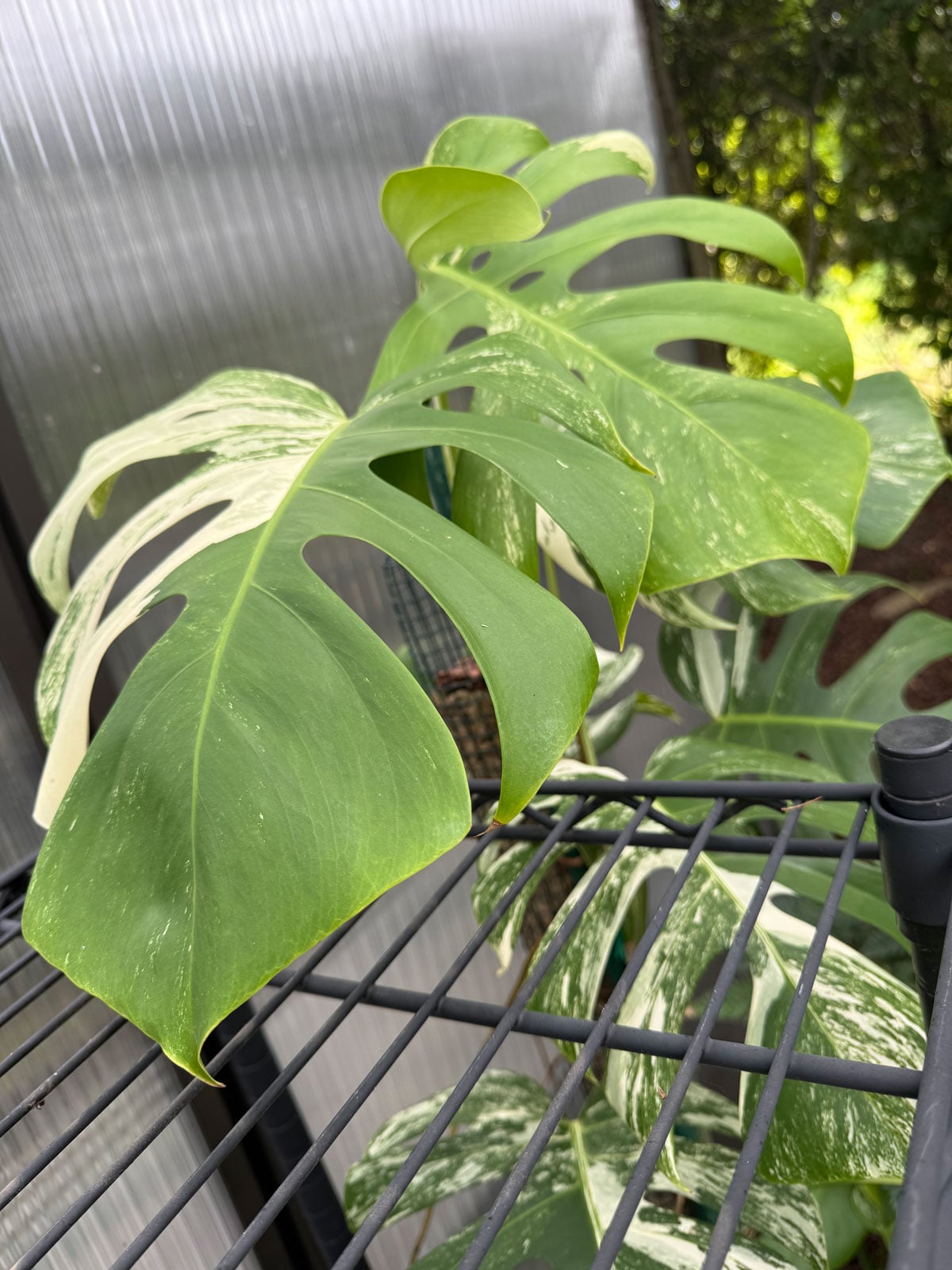
This category covers the workhorses of most plant collections, and the good news is they're moderately forgiving compared to some of the plants further down this list.
Threshold: bring indoors once nighttime temperatures approach 50°F.
Pothos (Epipremnum aureum) tolerates a range roughly between 50°F and 90°F, but growth slows noticeably below 65°F, and sustained exposure under 50°F risks tissue damage that shows up as blackened stems and mushy nodes. It will not survive a freeze.
Monstera deliciosa follows an almost identical pattern. Cellular damage becomes a real risk once temperatures drop below 50°F, and while an occasional short dip may not be fatal, cool and damp conditions together are a recipe for root rot and fungal leaf spot on top of the cold stress itself.
Philodendron species track closely with their pothos and monstera cousins here. As a category, treat 50°F as your line in the sand, and don't wait around once nights start flirting with it.
Succulents and Cacti: Echeveria and Other Soft-Leaved Varieties
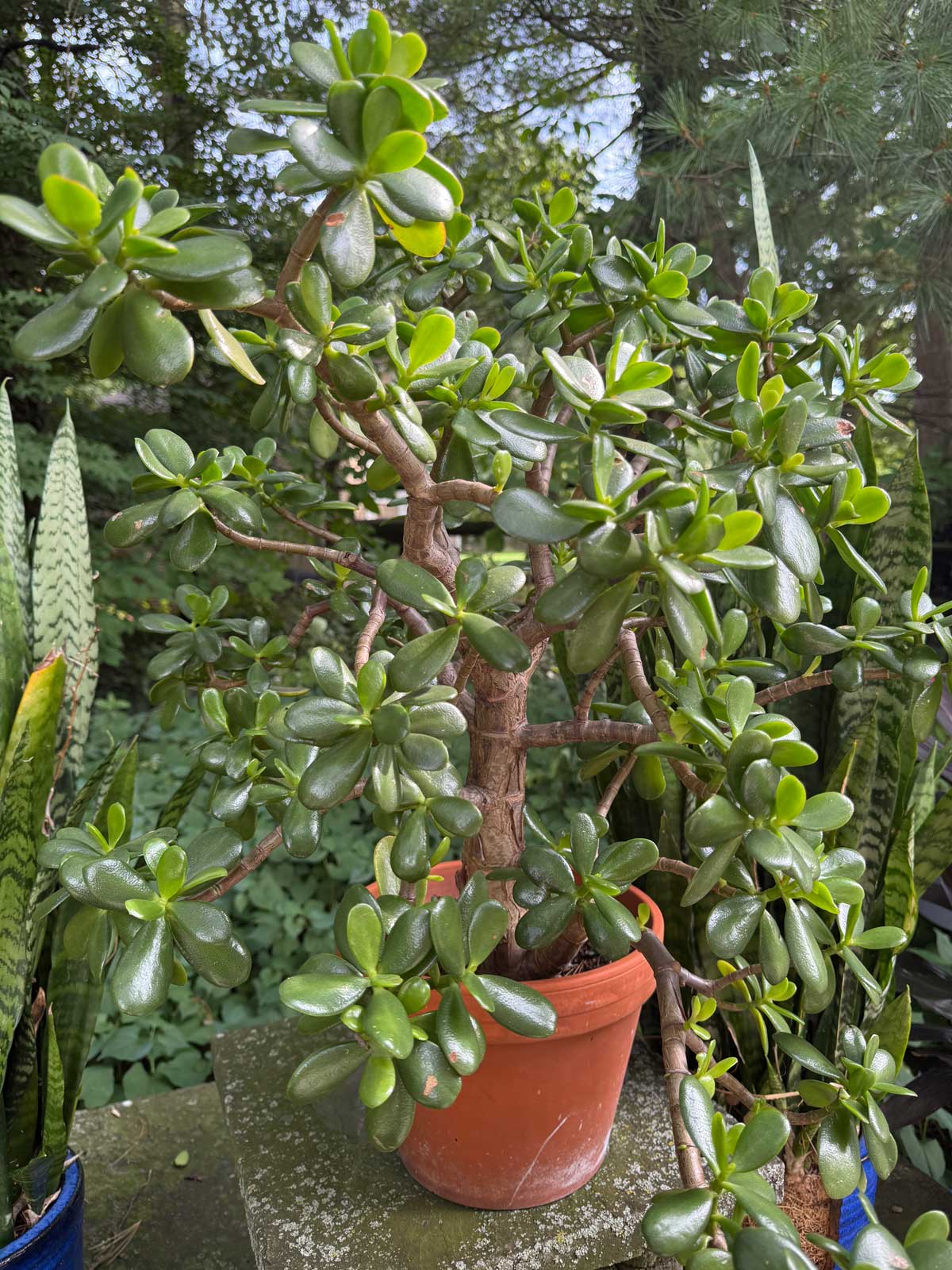
This is a category where people frequently overestimate cold hardiness, probably because succulents have a reputation for being tough, low-maintenance plants. That reputation is earned in terms of drought tolerance, not cold tolerance, and the two get confused constantly.
Threshold: bring indoors once nighttime temperatures drop below 40°F.
Soft, non-hardy succulents like Echeveria, Kalanchoe, and most jade plant (Crassula) varieties start experiencing real risk once temperatures fall under 40°F, with damage becoming likely as things approach freezing. The mechanism is straightforward: those plump, water-storing leaves are essentially small water balloons, and when the water inside freezes and expands, the cell walls rupture. The result is a soft, translucent, rotting mess, not something that bounces back with better care.
It's worth noting this doesn't apply to every plant sold under the "succulent" umbrella. Cold-hardy outdoor varieties like Sempervivum (hens and chicks) and many Sedum species can tolerate temperatures far below freezing and are often left outside intentionally through winter in colder zones. But if you're growing the softer rosette types typically sold as houseplants, don't lump them in with their cold-hardy relatives. Treat 40°F as your cutoff and don't push it.
Ferns: Boston Fern and Similar Humidity Lovers
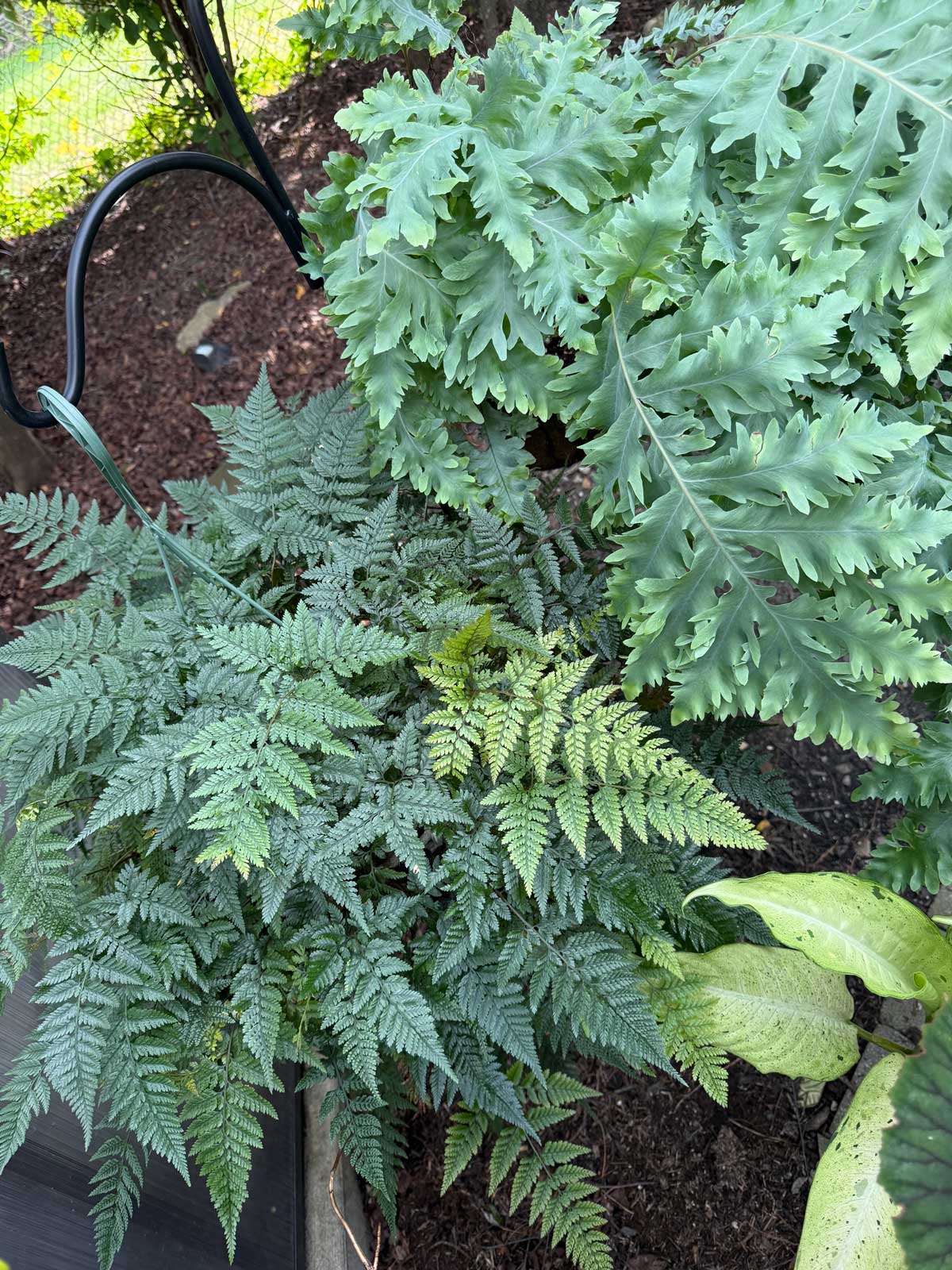
Ferns tend to get grouped with general tropical foliage plants, and their cold tolerance is broadly similar, but they come with an extra complication: temperature stress and humidity stress often arrive together and are easy to misdiagnose as each other.
Threshold: bring indoors once nighttime temperatures approach 50°F.
Boston ferns and most of the commonly grown tropical fern varieties fall into roughly the same 50°F to 65°F comfort range as pothos and philodendron, with growth slowing and damage risk rising below that. Because ferns are also extremely sensitive to dry air, cold nights combined with dry autumn air are a particularly rough combination. If you notice crispy fronds after a cold snap, resist the urge to assume it's purely a watering issue, temperature stress is very likely a contributing factor.
Orchids: Phalaenopsis (Moth Orchids)
Would you like to save this post?
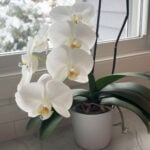
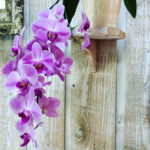
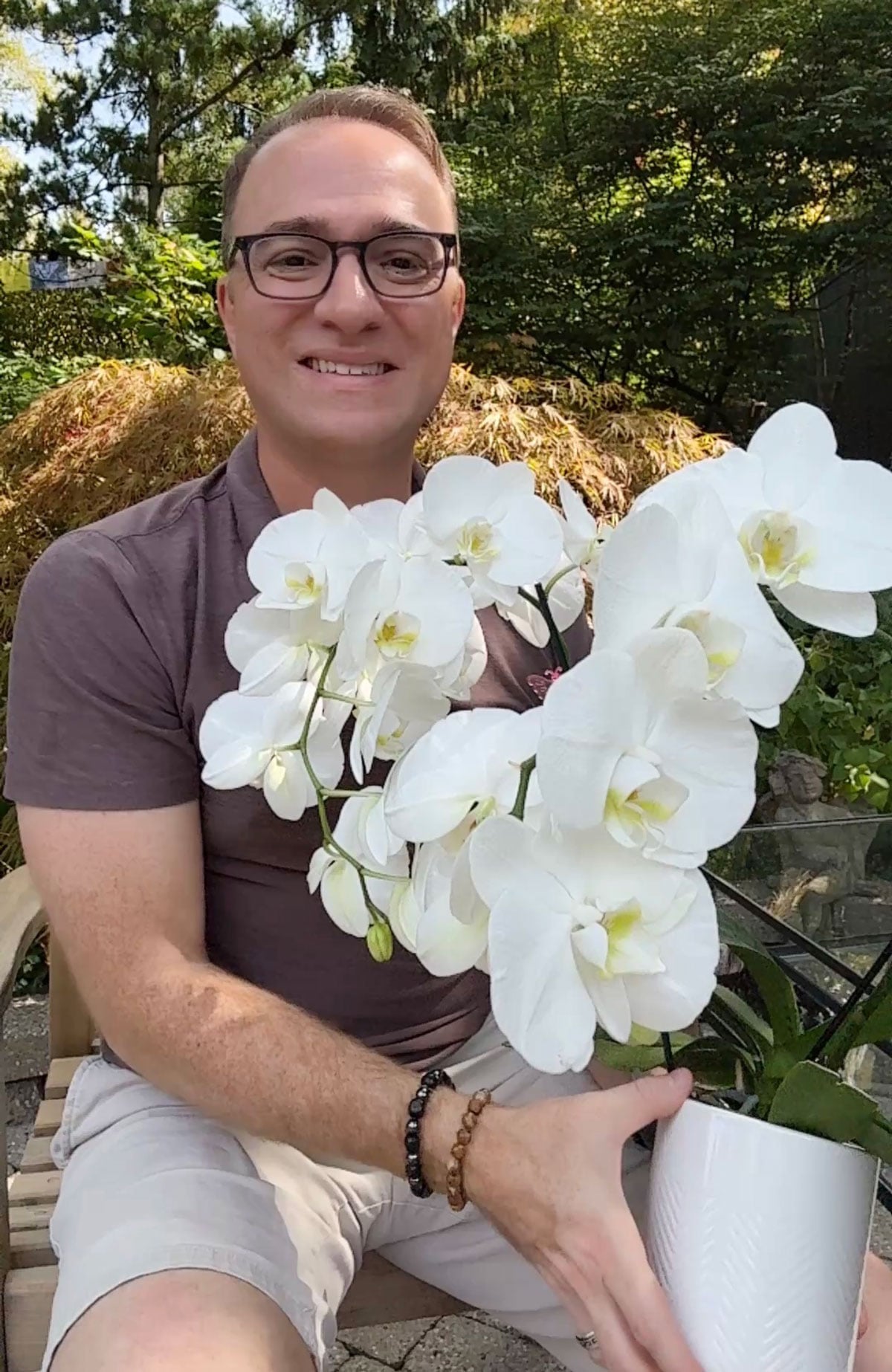
Orchids as a group span an enormous range of cold tolerances depending on genus, but Phalaenopsis, by far the most commonly sold orchid in grocery stores and garden centers, sits on the more sensitive end.
Threshold: keep above 60°F for comfort; treat sustained temperatures below 50°F as damaging.
The American Orchid Society notes that most Phalaenopsis prefer nighttime temperatures above 60°F, though brief exposure into the 50s is generally tolerated and, in fact, is sometimes used intentionally to trigger flower spike formation.
The distinction that matters here is between a deliberate, brief, monitored chill and an unplanned cold night on an exposed porch. One or two nights down to 50°F likely won't cause lasting harm, but prolonged exposure below that point, and especially anything approaching freezing, causes real damage. If you grow Phalaenopsis outside for the summer, bring them in well before other, hardier houseplants.
Tropical Flowering Plants: Hibiscus (Hibiscus rosa-sinensis)
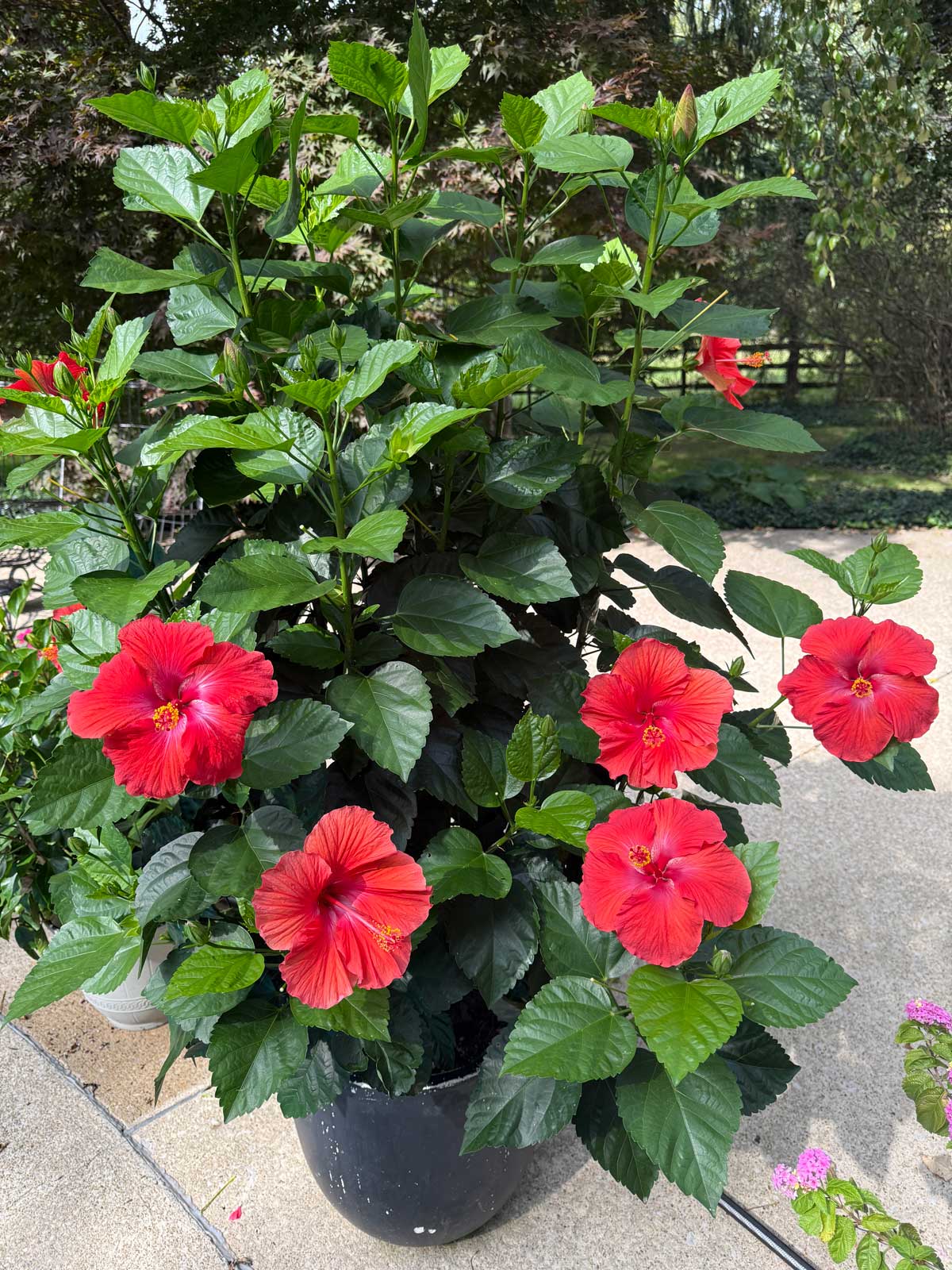
Worth calling out specifically because tropical hibiscus is frequently confused with its much hardier relatives, hardy hibiscus (Hibiscus moscheutos) and rose of Sharon (Hibiscus syriacus), both of which can survive outdoors through genuinely cold winters in much of the country. Tropical hibiscus cannot.
Threshold: bring indoors once nighttime temperatures drop below 50°F; expect serious damage below 35°F.
The New York Botanical Garden's Mertz Library reference service notes that tropical hibiscus should be moved indoors and acclimated gradually as night temperatures begin dipping into the 50s, ideally into a cool room around 55°F rather than a warm, dry living room.
Most tropical hibiscus varieties show real decline once nighttime lows fall consistently below 50°F, with leaf drop and failure to bloom as early warning signs, and more severe foliage and flower damage once temperatures drop into the mid-30s. If you're growing one of the more cold-tolerant cultivars, that offers a slightly longer window, not permission to leave it out through a hard freeze.
Here are more details on what to expect when overwintering your hibiscus indoors.
Citrus: Meyer Lemon and Other Container Citrus
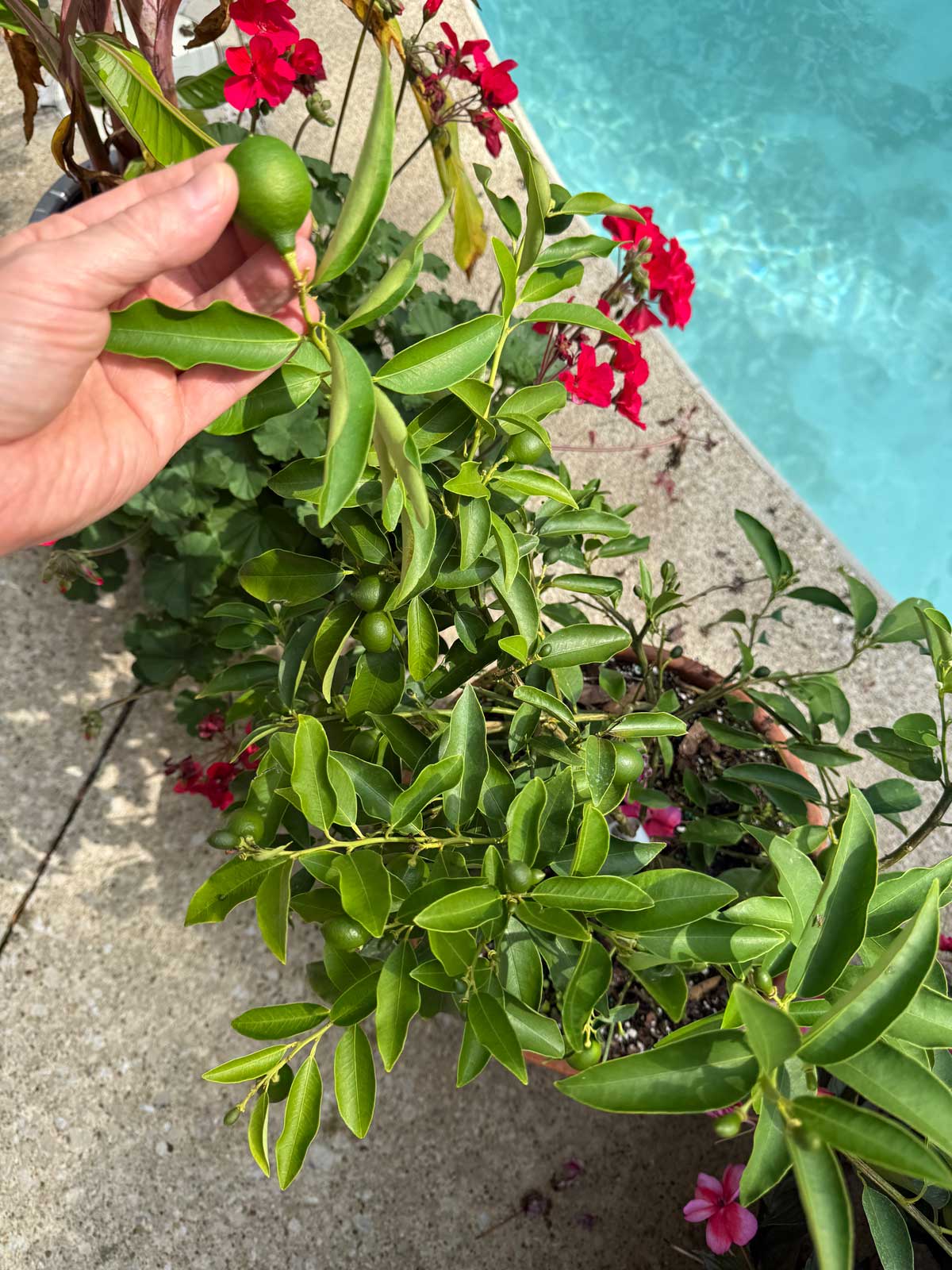
Citrus is a special case because the plant, the flowers, and the fruit all have different cold tolerances, and mature, cold-hardened trees can survive temperatures that would badly damage the fruit they're carrying.
Threshold: bring indoors once nighttime temperatures approach 50°F to 55°F, well before any frost is forecast.
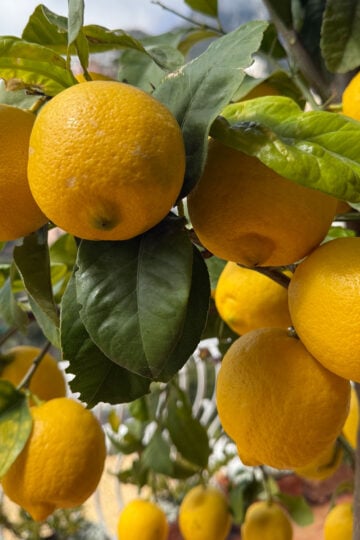
Meyer lemon, the most commonly grown container citrus, tends to go dormant once temperatures drop below 55°F, and only tolerates brief exposure to 32°F before sustaining frost damage. University of Florida IFAS Extension notes that mature, fully dormant Meyer lemon trees can handle temperatures as low as 20°F, with fruit hardy down to around 26°F, but that distinction only applies to established trees that have already hardened off for the season.
A container specimen that's spent the summer in full, warm sun hasn't gone through that hardening process, and treating it like a cold-hardy dormant tree is a good way to lose your fruit, and possibly the tree. Oregon State University Extension's guidance for Pacific Northwest growers is more conservative and more relevant to most container growers: bring citrus indoors around the same time frost risk begins, well ahead of any actual freeze, and maintain nighttime temperatures around 65°F indoors near a bright, south-facing window.
Tender Tropical Tubers: Colocasia and Other Elephant Ears
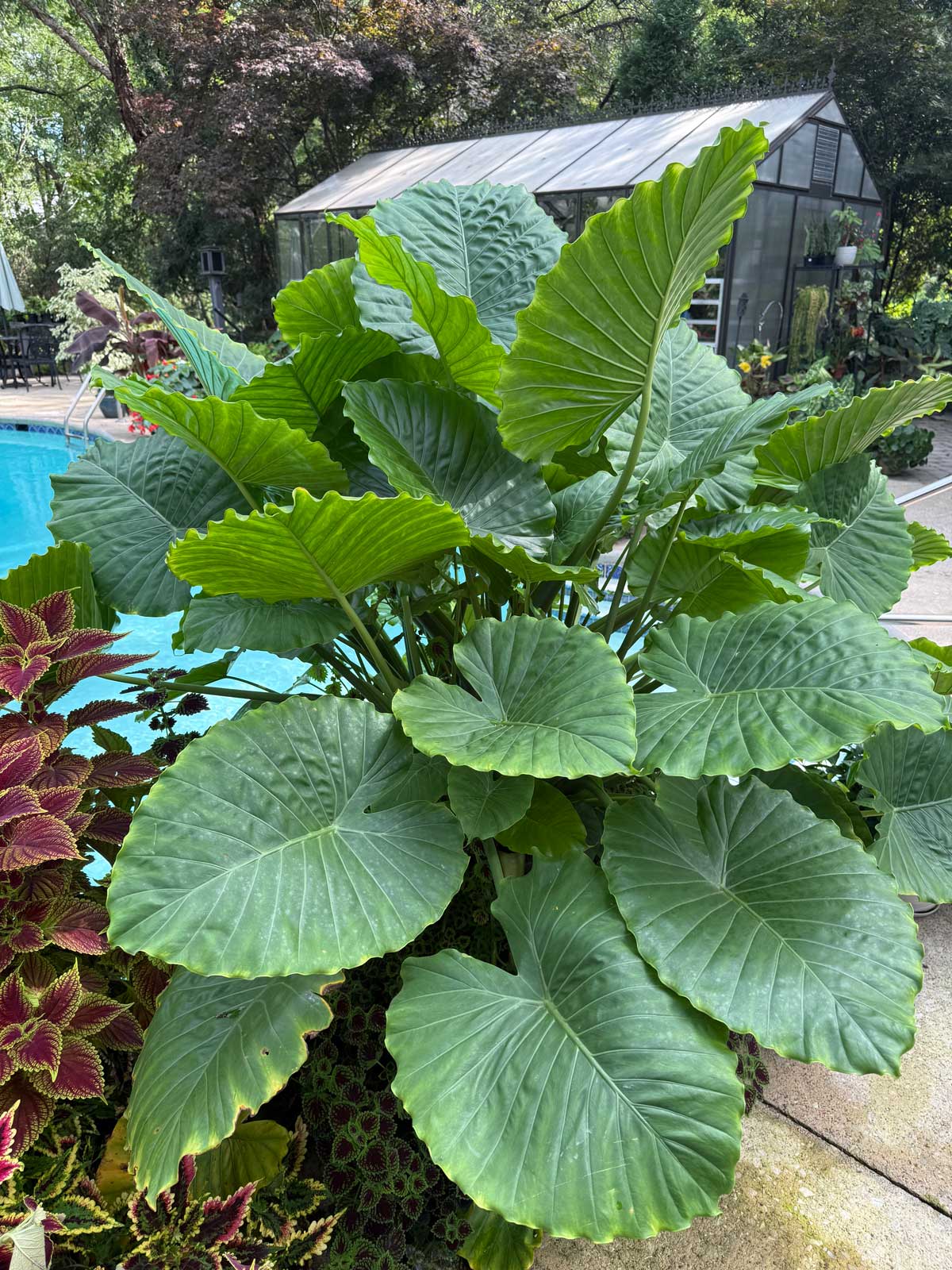
"Elephant ears" are popular for exactly the reason that makes them a fall headache: they get enormous over a single growing season, and hauling a five-foot plant indoors is its own logistical project. The good news is they're a little more forgiving than some plants on this list, and there's a fallback option that doesn't require finding indoor space for the whole plant.
Threshold: bring indoors, or dig and store the tubers, once nighttime temperatures drop below 50°F.
University of Maryland Extension groups elephant ears with bananas, tropical hibiscus, mandevilla, and similar tender tropicals, all needing a winter plan in place by the time nighttime lows regularly fall into the mid-to-low 50s. Colocasia specifically tends to tolerate cooler conditions slightly better than Alocasia, but both genera start showing real stress below 50°F, and prolonged exposure under 40°F is often lethal. If you don't have space or light to keep the whole plant growing through winter as a houseplant, digging up the corms once foliage has been touched by the first light cold snap and storing them dry and dormant in a cool, frost-free spot is the standard alternative, and it's a lot easier to find shelf space for a paper bag of corms than for the plant they came from.
Quick-Reference Chart
| Plant Category | Bring Indoors When Nighttime Temps Reach | Serious Damage Below |
|---|---|---|
| Tropical foliage (pothos, philodendron, monstera) | 50°F | 45°F |
| Succulents and cacti (Echeveria, Kalanchoe, jade) | 40°F | 35°F |
| Ferns (Boston fern and similar) | 50°F | 45°F |
| Phalaenopsis orchids | 55-60°F | 50°F sustained |
| Tropical hibiscus | 50°F | 35°F |
| Citrus (Meyer lemon) | 50-55°F | 32°F |
| Colocasia and other elephant ears | 50°F | 40°F |
This isn't an exhaustive list, and cold tolerance within any species varies with the plant's age, health, and how gradually it's been exposed to cooling temperatures. But if you're triaging a full collection and need to decide what comes in first, work down this chart in order. Succulents get the most buffer. Orchids and hibiscus need to move the soonest.
Bringing Them In: A Few Practical Notes
Once you've decided it's time, a little care in the transition prevents most of the common problems people run into over the following weeks.
Inspect every plant closely before it crosses the threshold, checking leaf undersides, stem joints, and the soil surface for pests that would rather winter indoors with you than outside in the cold. A firm spray of water on the foliage handles most minor infestations before they become a full quarantine situation.
Expect some leaf drop as plants adjust to lower indoor light levels, this is a separate stress from the cold itself and is usually temporary. Resist the urge to fertilize heavily during this transition; most plants are slowing their growth for the season regardless of temperature, and pushing new growth right as light levels drop just creates weak, leggy stems.
Adjust your watering habits once plants are indoors. Cooler temperatures and lower light both mean slower water uptake, and the combination of cold, wet soil is what actually kills a lot of marginally cold-stressed plants, rather than the cold itself. Let the top of the soil dry out more than you would during the growing season before watering again.
Cold tolerance isn't a fixed number so much as a range that depends on duration, wind exposure, soil moisture, and how gradually the temperature dropped. Use the thresholds above as your planning guide, but when in doubt, bring it in a few days early. A plant that spends an extra week adjusting to indoor light is a much smaller problem than one recovering from chill injury.