If you plant a LOT of pots outdoors like I do, I want to show you how I reuse soil from old pots. It will save you a lot of money, and I'll discuss when to do it (and when not to). I've been doing this successfully for years with amazing results, so let's get into it.
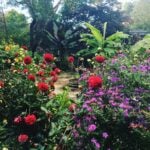
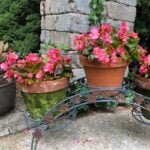
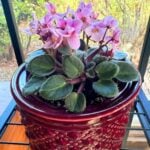
All of the photos in this post are from my own garden, using reused soil that I tweak each year.
Table of Contents
REUSING SOIL FROM OLD POTS
This post will cover two main topics:
When NOT to reuse old soil
How to amend old soil to make it suitable again for a variety of outdoor potted plants
WHEN NOT TO REUSE SOIL FROM OLD POTS
If the plants in your pots previously had any issues with diseases or pest infestation, it's not worth it to reuse your soil for your pots outdoors. Typically though, potted plants outdoors aren't as prone to diseases. If you did have any issues, it's safest to just dispose of your soil. See if your local municipality accepts garden waste that is diseased. Composting is also an option, but most home composting situations don't reach high enough temperatures to kill pathogens effectively.
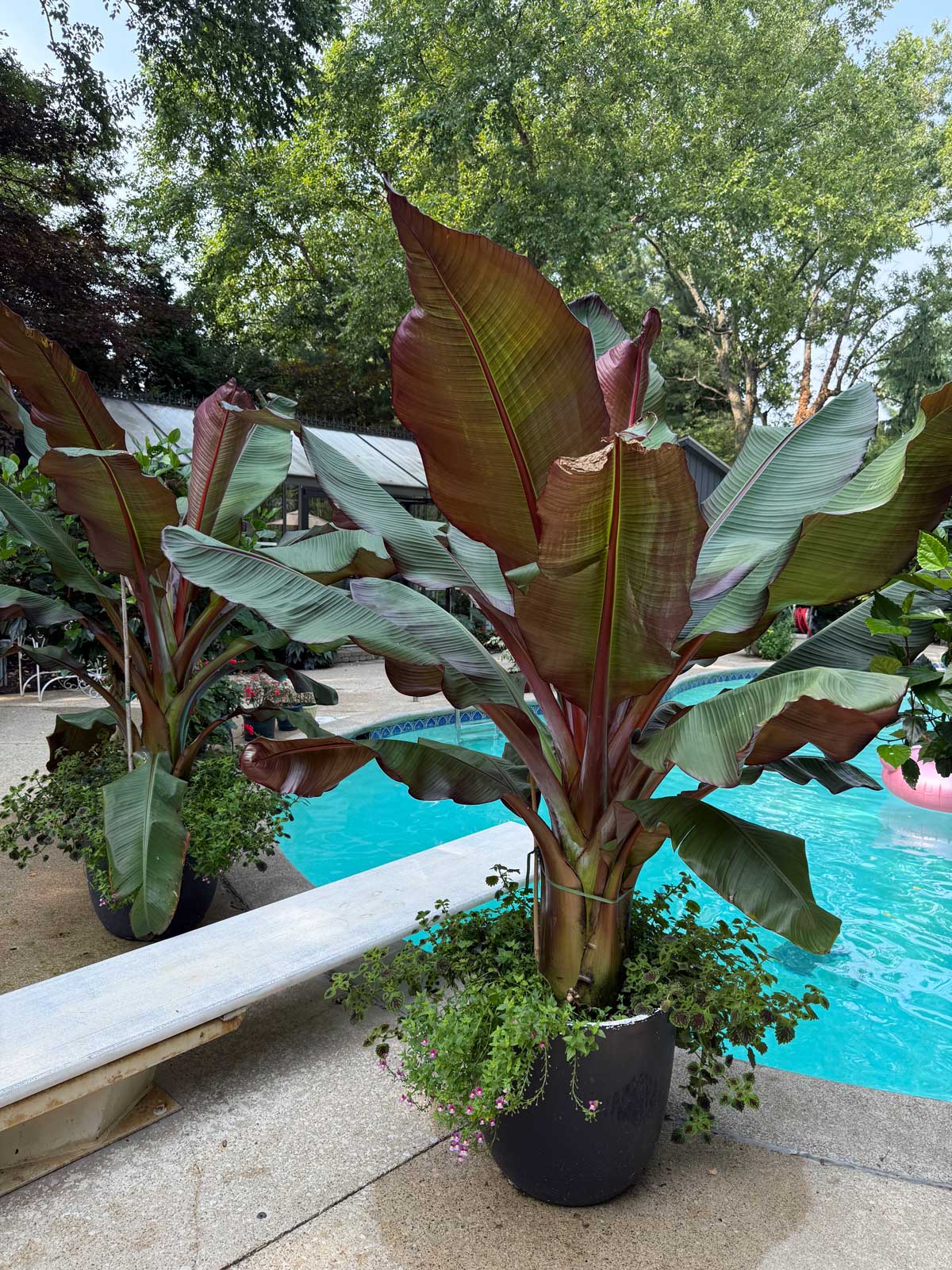
Soil can be costly when you're dealing with a lot of pots so reusing is a great way to save money. These are two Abyssinian Banana plants that I grow every year.
AMENDING OLD POTTING SOIL TO MAKE IT SUITABLE AGAIN
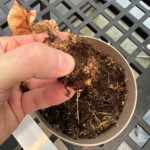
When it comes time to do my flower pots each year, I simply dump any old soil from my outdoor pots into a wheelbarrow. If there are any old stems or roots, I separate those out as best as I can. I'll take any clumps with roots and shake out any old soil. This will prepare you for the next step which is really important.
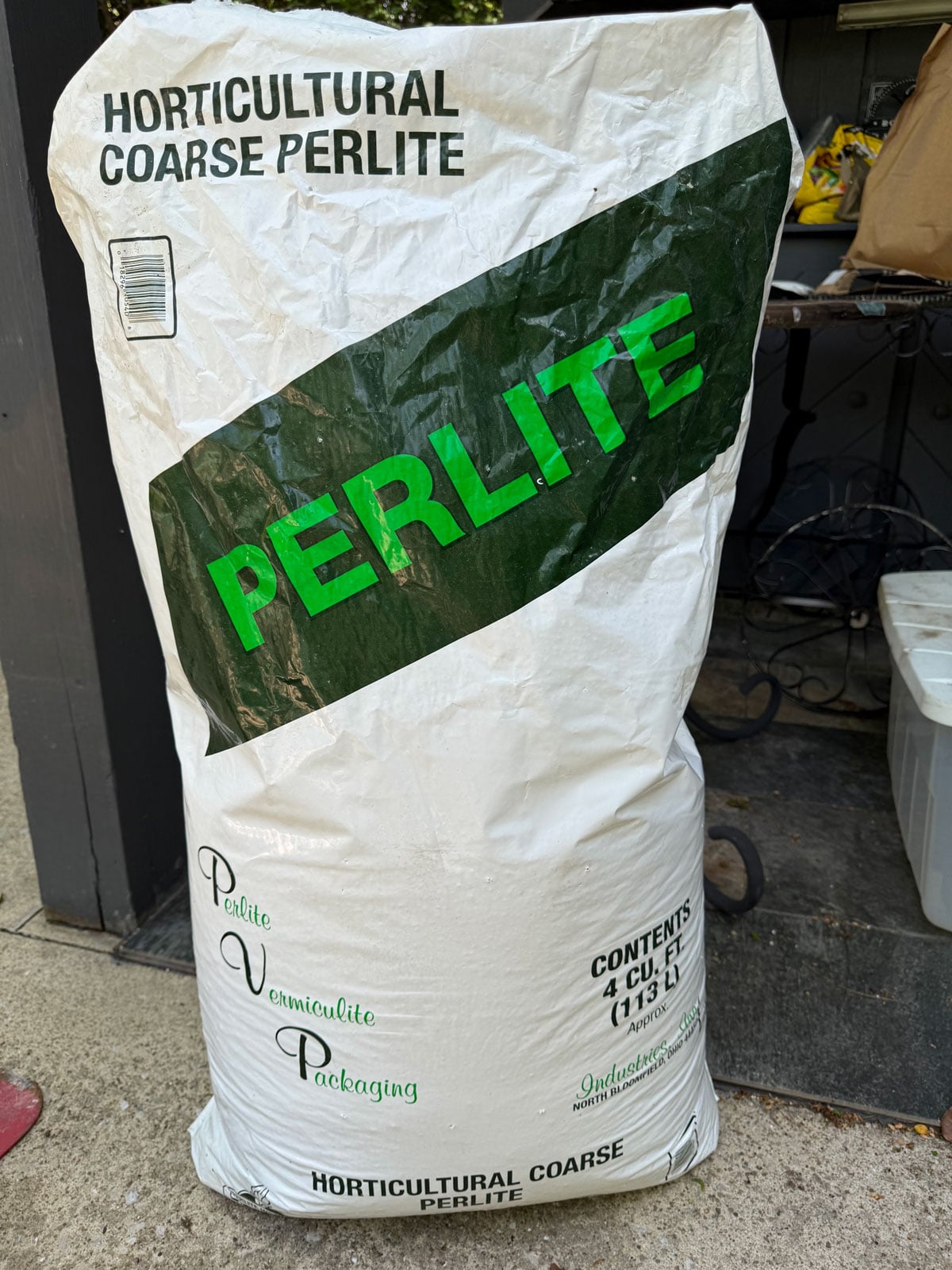
Once all the soil is nice and loose, I'll add some horticultural perlite. Here is a huge bag of perlite that I found quite inexpensively at a local horticulture supply store (much cheaper than just about anything on Amazon). I encourage you to shop around near home because not everything on Amazon is worth buying.
Would you like to save this post?
Enter your email, and I will send this link straight to you!
The reason I add perlite is because it improves drainage, aerates the soil (which minimizes root rot even if the soil is consistently moist), and prevents compaction. All of these things will help your summer annuals and plants to look their best.
I don't really measure anything out strictly, but I use approximate 1 part of perlite to 4-5 parts of old potting soil. Use proper safety precautions when handling perlite since it is hazardous to breathe, so wear a dust mask to be safe.
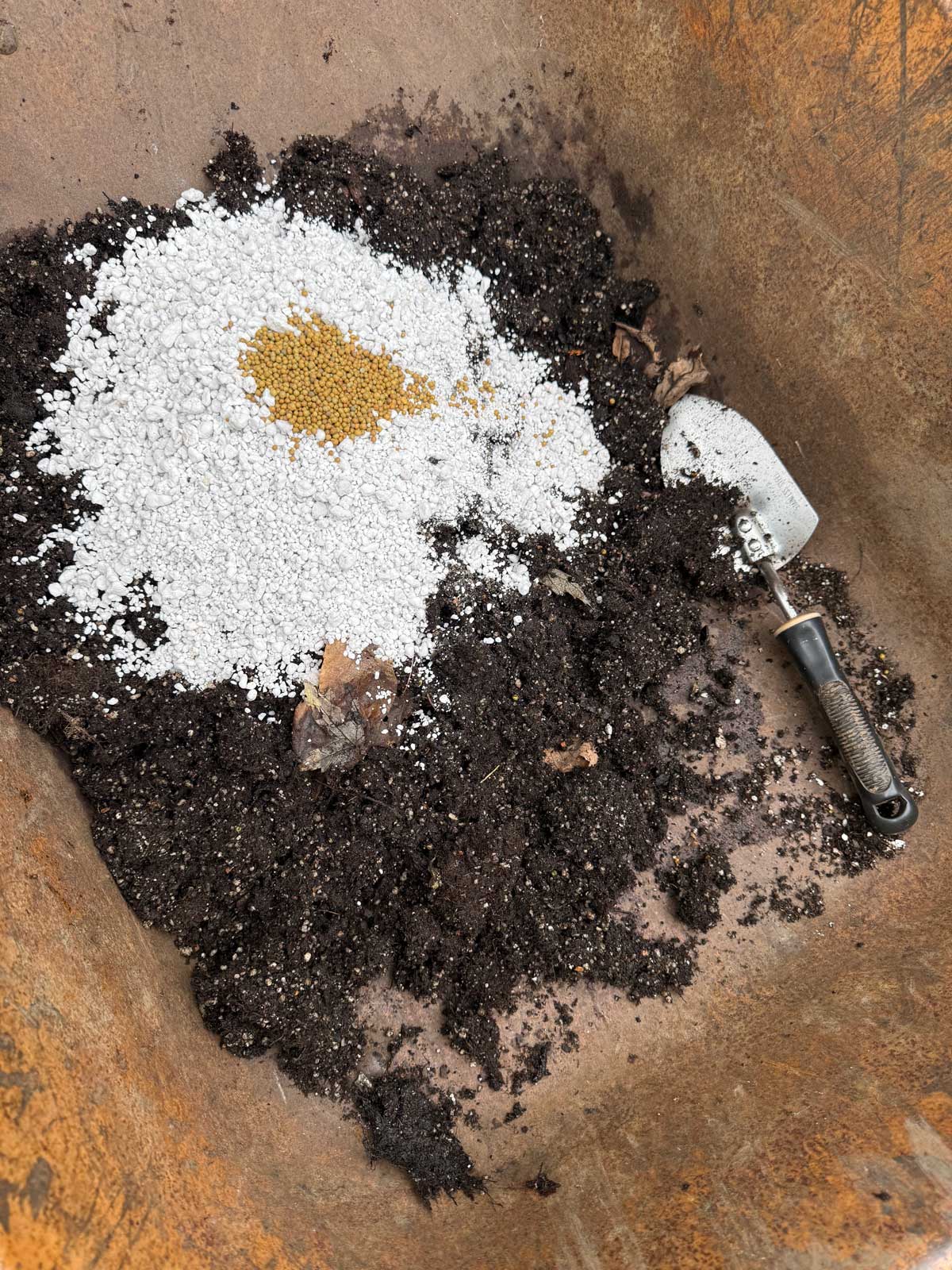
Then simply mix everything up really well with a garden trowel. Your soil is now fluffier, and your plants will appreciate it. In addition to perlite, I also like to add a good slow-release fertilizer like Osmocote. Follow the directions on the label for the amount to add. Most annuals and tropical plants love rich soil, so I always add Osmocote, and sometimes, I'll even add some compost/manure to the mix too, but it's not necessary.
Adding perlite fluffs up the soil, and Osmocote fertilizer provides slow-release nutrients for your pots.
Some plants actually like poor soil and will actually do worse if you include fertilizer or manure. For the following plants, I recommend adding perlite, but nothing else.
These are all plants that bloom and grow best in POOR soil. This is a partial list to get you started, so always do research for specific plants. For these plants, I would recommend only add perlite to fluff up the soil and NO additional fertilizer or compost:
Cosmos and nasturtiums are notorious to growing lots of foliage and few flowers if the soil is too rich.
Any Mediterranean climate plate tend to like poorer soils (but need excellent drainage!) These include rosemary, lavender, thyme and sage. In addition to perlite, you can also mix in some gravel or sand to make the drainage sharper.
Hens and Chicks will suffer in rich soils and lose their compact shapes and can even rot in soil that is too rich. These plants also need excellent drainage for best growth, so adding in perlite and sand or gravel will be beneficial.
Madagascar periwinkle
However, most annuals and tropical plants that we grow outdoors in pots during the warm weather LOVE and need plenty of fertilizer and nutrients in order to do their best, so in addition to Osmocote in the soil, I also fertilize weekly with a liquid fertilizer after they are potted up.
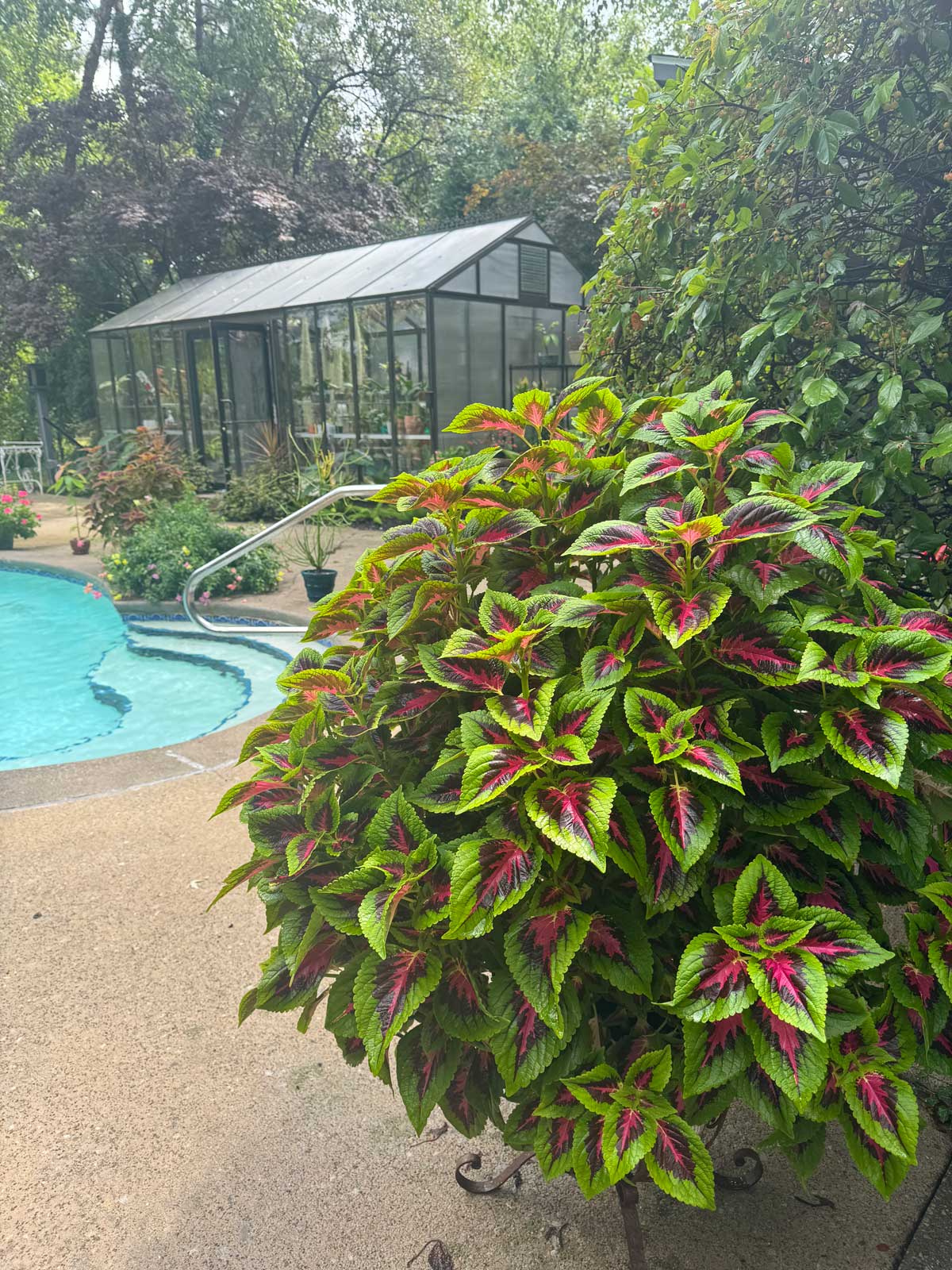
Here is a pot of Coleus that I planted in reused soil.
Here is a list of plants that I love growing in pots over the years, and that I reuse old soil for and add Osmocote too. Of course there are many more plants than this, but it will give you an idea of the options that you have for commonly available plants for your summer pots.
Red Abyssinian Banana, Musa basjoo, and any other banana plants
Alocasias (like Alocasia odora, Alocasia 'Portodora' or any of the huge leaved Alocasias sold in garden centers for outdoor planting)
Colocasia
Geraniums (Pelargonium). These also need excellent drainage and hate waterlogged soil
Petunias
Calibrachoa
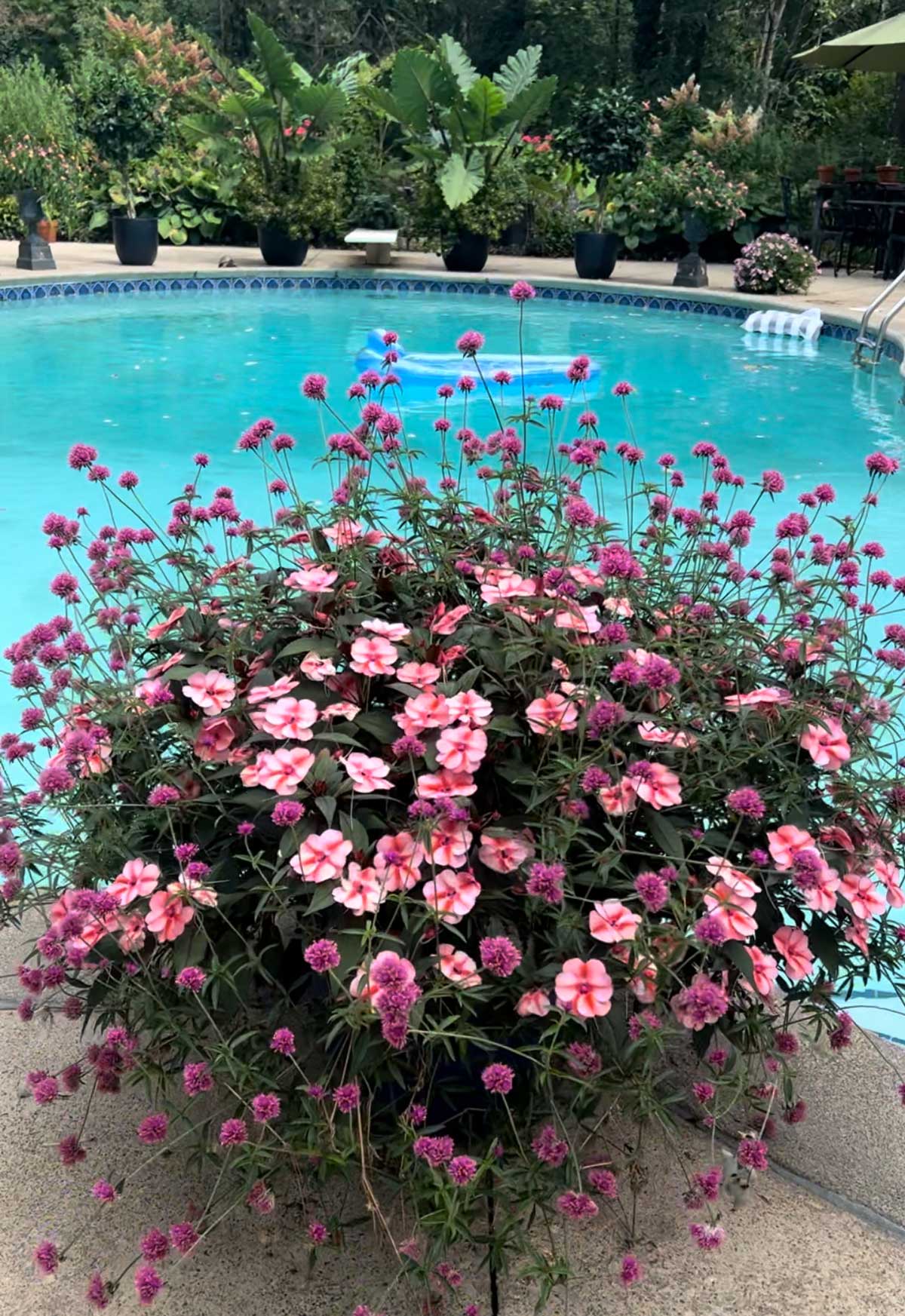
Sunpatiens and Gomphrena
In the end, in terms of fertilizer and adding any compost/manure, make sure you do your research to see what each plant likes. Perlite to fluffy up old soil is always good idea. And if your plant like poorer soil, don't add any additional fertilizer or compost (or keep it to a minimum).
But for most potted annuals and plants, they will appreciate additional fertilizer (both time-release granules mixed into the soil, as well as liquid fertilizer applied regularly throughout the growing season). Know what plants you have and make the appropriate arrangements to keep them happy!


What a beautiful garden you have. Thanks for the tips!
Thanks so much, and you're very welcome!